Air freight got expensive. The process got worse.
Air got expensive. The process got worse. Tender is not departure. If you still quote January's clock in August, you will pay more to be just as late.
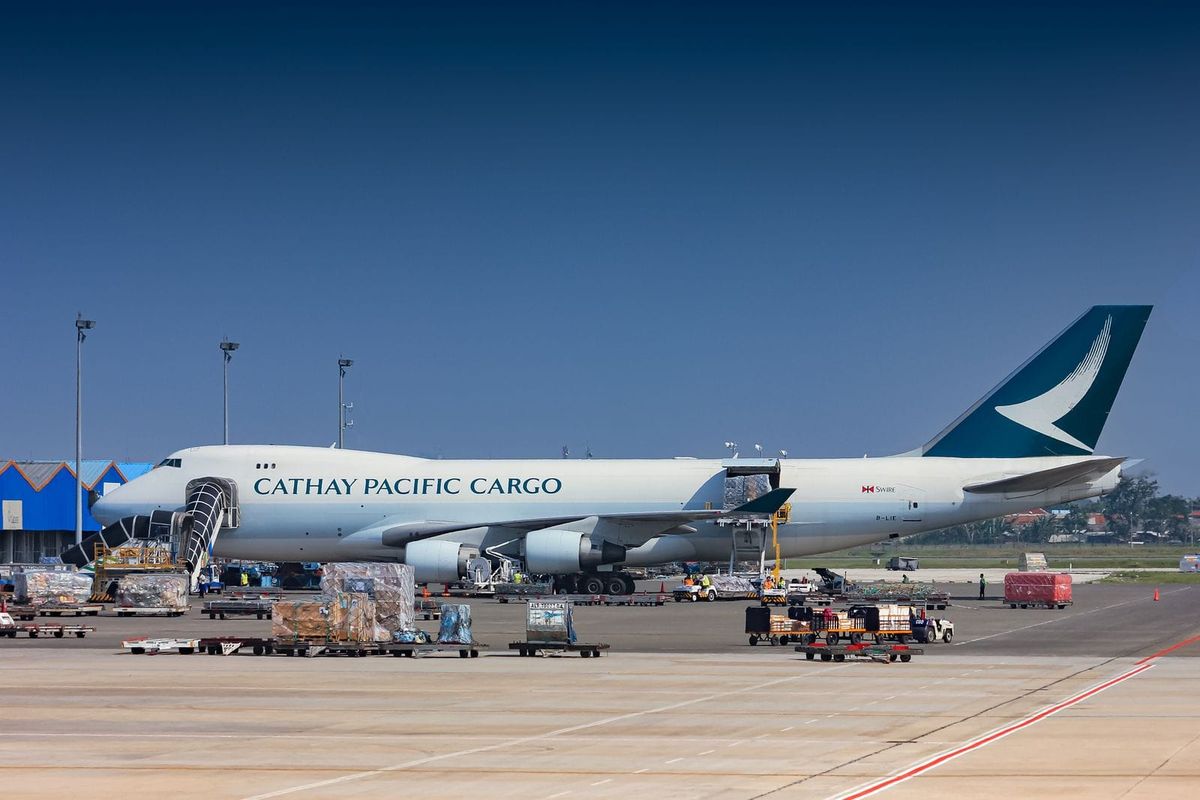
Air freight got expensive. You already know that sentence. What people skip is the second one. The process got worse. Not because someone in pricing became evil. Because the path you used to run as a habit became a negotiation, and negotiations don't scan.
Passenger bellies went away and the remaining space started behaving like a scarce object, which it is. Allocations, rolling, offloads, a "confirmed" that isn't. Rates are the part that shows up in a spreadsheet. The offload is the part that shows up in a customer's inbox at 11pm.
Expensive air is a pricing problem. Unreliable air is an operations problem. This year gave us both, and only one of them is a number.
Price is the easy conversation
I can have the price conversation. It's uncomfortable and it's clean. The rate moved. Here's why, as far as anyone can tell: less belly, more demand for the goods that still have to fly, a market that stopped pretending space was infinite. If we still move, we pay more, or we wait, or we don't move. Adults can hear that.
What they cannot hear, and should not have to decode, is a process that keeps using January words for an August network. "Next flight out." There is no next flight out as a personality trait. There is a specific aircraft, a specific allocation, a specific chance you get rolled because someone else's cargo has a louder story. If you don't say that, you're still selling a lane that closed in March and never fully came back.
Offloads are the new missed scan
The carton can be ready. The paperwork can be right, for once. The goods can be at the GHA. And it still doesn't fly, because space isn't a queue you join so much as a conversation you lose. Then it sits, and sitting at origin airside is a different wait than sitting in bond. Different owner. Different clock. Different sentence to the customer.
If your SOP still assumes tender equals departure, you will lie by accident. Tender equals tender. Departure is a later fact. Write it that way. Train the team to wait for the departure scan like it's the only scan that matters, because this year it is.
Asset-light, again. We don't own the metal. We buy a seat on it. When seats are scarce, the people who own the metal decide, and they decide in a huddle you are not in. Your job is to stop narrating the huddle as a schedule.
Worse process is optional, even now
Scarce space is not optional. Sloppy briefing is. This is when people start sending half-built files because they're scared of missing a cutoff that moves. Cutoffs that move are exactly when you should not send a shrug. A rejected document on a tight allocation is how you pay the expensive rate and still sit.
I'm tightening, not loosening. Clearer descriptions. Earlier cutoffs on our side than the airline's, so we have time to fix. Fewer "just ship it" exceptions from brands who want the old transit time at the new price. You can buy a faster story. You cannot buy a process you skipped.
Six markets don't share an air story either. Some origins still have frequency. Some are a weekly maybe. If you average that into a regional promise, you will punish the bad origin and confuse the good one. Keep the lanes separate, even when the finance conversation wants one air number.
A higher rate with the old SOP is how you pay more to be just as late. Change the clock before you change the invoice language.
What I say when someone asks if it's "back to normal"
No. And normal was a slack we used as a process, which I already don't miss. What we can do is tell the truth about the aircraft we have, charge for the space that exists, and not tender into a hope. If that means a shipment waits, it waits in a named place with a named next check. If that means we don't take it, we don't take it. Capacity theatre helps no one.
This will ease, in some form, later. When it does, I don't want the sloppy version of us to come back with the rates. The expensive months are a bad teacher if you only learn to complain. They're a good teacher if you learn that departure was never the same event as tender, and you should have been scanning for it all along.