COD, lockdowns, and the customer who still wants the thing
COD in a lockdown is not a payment method. It's a meeting. If the door can't complete it, you don't have a delivery product. You have a wish with a label.
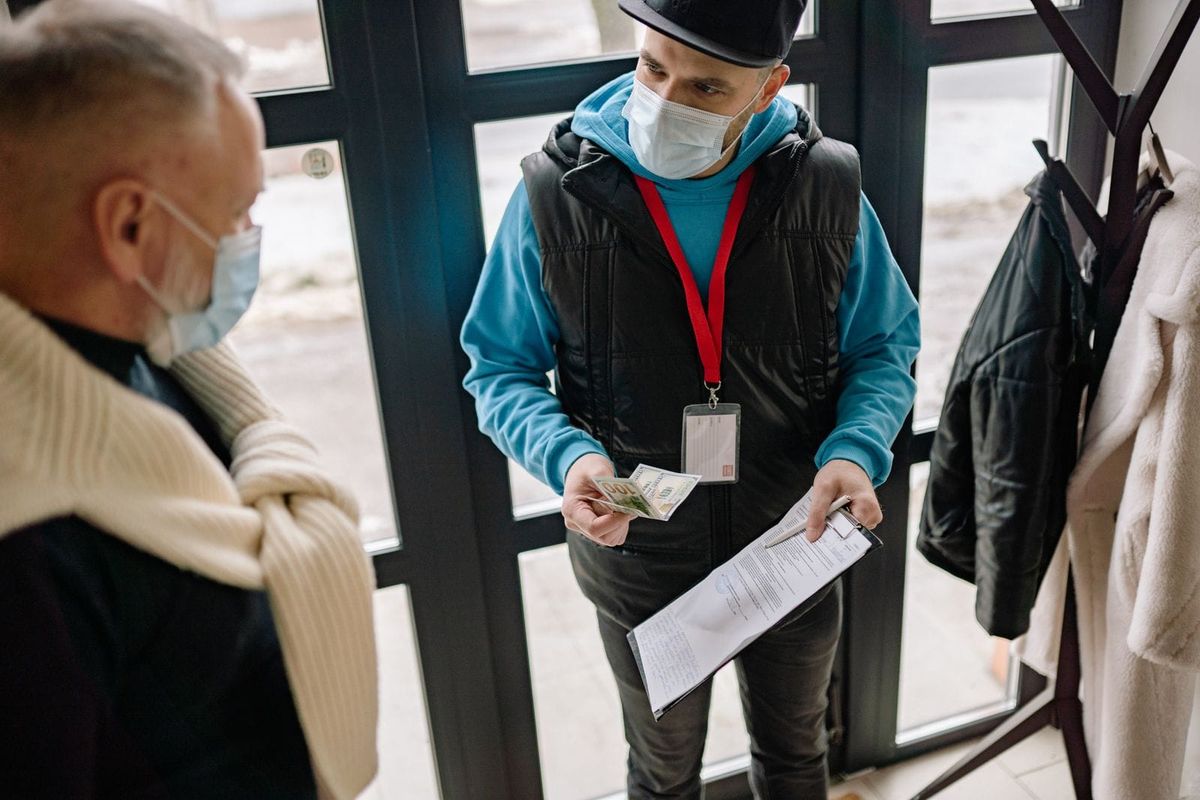
The buyer still wants the thing. That's the part a lot of ops people are trying not to feel, because it would be easier if demand politely sat down while we rewrote the street. It hasn't. People are at home. People order. In a lot of this region they still want to pay when it arrives. COD didn't take a furlough.
Lockdowns, PSBB, whatever the local name is this week, they don't cancel that behaviour. They put a door, a rider, and a cash exchange into a story that now includes "are you allowed to be here." The brand sees an order. The rider sees a neighbourhood with new rules. You sit in the middle with a status that says out for delivery, which is doing a lot of dishonest work.
COD in a lockdown is not a payment method. It's a meeting. If the meeting can't happen, you don't have a delivery product.
Prepaid was always the easy child
Prepaid, you can leave a carton in more places, with more people, with more "we tried." COD needs a completed conversation: goods for money, money for goods, nobody walking away with a maybe. That conversation is fragile in a normal month. In a month where households don't open the door the same way, it's a process you have to redesign or stop offering.
I am not going to lecture brands for using COD. It's how a lot of buyers in this region trust a seller they can't see. Trust, again. Same theme, different door. If you take COD volume into a restricted city without a plan for failed collection, you will get a pile of cartons coming back, a pile of buyers saying they were home, and a pile of riders saying they weren't. That pile is not a mystery. It's an unowned meeting.
What has to be true before you tender
Can the rider legally be there. Can the buyer complete payment the way the SOP assumes, cash or otherwise. What happens on attempt two if attempt one met a closed gate. Who holds the goods, and who pays for that hold. If you cannot answer, do not dress the order up as a shipment. It's a wish with a label.
Asset-light means those answers come from a partner. So you ask them like an operator, not like a dashboard. Zones. Hours. Whether COD is actually being attempted or being skipped because it's too awkward this week. Partners will skip the awkward thing unless you make it the job. Then they will still skip it if the street won't allow it, which is information, not betrayal. Put it in the customer sentence the same day.
Returns get nastier too. A COD fail isn't only a missed sale. It's a reverse movement in a network that's already thin, plus a brand that thought they were paid in spirit. Write the reverse. Don't discover it when the depot runs out of space for the unloved cartons.
The customer is not being difficult
They're at home. They ordered because the shop is shut or the shop is far or they're not supposed to queue. They would like the thing they paid attention to, and they would like not to send cash into a void. If your comms is "rider will try again" without a when and a how, you are asking them to sit in a lockdown and trust a blank. We already know how that goes. They don't trust blanks.
Give them a human clock. Give them a way to reschedule that isn't an email into a pit. If you must pause COD in a zone, pause it in the open. Quietly turning COD into a surprise prepaid, or a surprise cancel, is how you spend 2021 apologising for 2020.
Demand didn't get the SOP. Your job is to meet it with a door that works, or to stop pretending the order is a shipment.
This is last mile, with the volume knob snapped off
I wrote earlier this year that the last mile is where the brand dies. Lockdowns just made the funeral easier to schedule. Origin can still pack. Air, when you can get it, can still move. The brand dies at a door that couldn't complete COD, in a city under rules, while a tracker stayed green long enough to be insulting.
If you run this region, you don't get to wish for prepaid customers as a personality transplant. You get to operationalise the customer you have. Or you get to stop serving them until you can. Both are adult. What isn't adult is taking the order, taking the hope, and letting a rider sort out public health policy with a paper bag of cash.
We're still moving what we can move, with the partners who can still tell the truth about a street. That's the whole strategy. It isn't pretty. Pretty left in February.