We still don't have one network. We have six.
A year inside the 3PL and I still will not call it one network. We have six operations that share a company name. Sameness is how you hide Indonesia is not Vietnam.
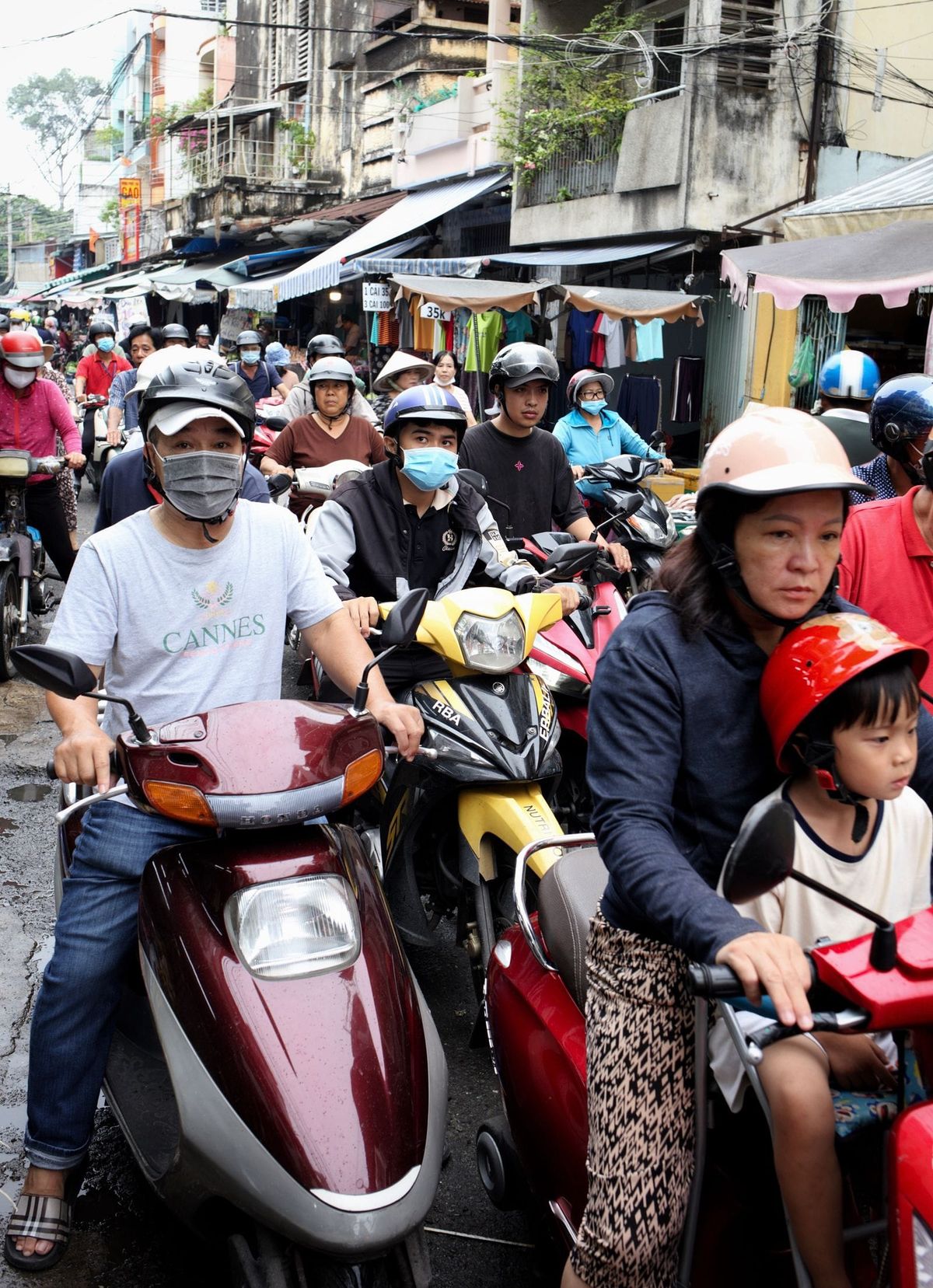
A year in, I still hear it. "The network." As if Ninja Van were one organism that happens to have six addresses. As if a parcel in Jakarta and a parcel in Manila were in the same machine because they share a brand on the van.
We still don't have one network. We have six. That's not a complaint. It's the job.
I joined in April to run special projects on cross-border across those markets. Cross-border is the fastest way to learn that a company logo is not an operating model. You hit a seam that exists in one country and not in the next. You watch a process that is honest in Singapore become fiction in another station. You watch a dashboard average it into a number that looks like health.
A company can be one company. An operation has to be true in the country it runs in.
The comfort of one
The wrong question is when we'll have one network. That's a head office question. It assumes the destination is sameness. Sameness is comfortable. Sameness is how you staff a regional team. Sameness is how you sell coverage. Sameness is also how you hide the fact that Indonesia is not Vietnam.
I came in already allergic to that. I built a cross-border company that lived in the seams. I left Aersure and brought the hard lanes with me because they travel. A year of sitting inside a 3PL has not cured the allergy. It has given it better examples.
Last mile in one market is a density story. In another it's cash on delivery and a failed-delivery loop that can eat a week. Customs is a personality. Addresses are a personality. What a driver can actually do at a condo versus a kampung is a personality. You can put all of that under one SLA. You cannot put it under one process and expect Tuesday to behave.
What six looks like in practice
It looks like a handover SOP that was written once and pasted. It looks like a packaging spec that assumed a van and met a bike. It looks like a commercial invoice that was "fine" until a market that was not in the original test started querying the HS code. It looks like air that was recovered cleanly in one airport and sat in the gap between airline and ground handler in another, while the tracker used the same word for both.
It looks like a brand who bought SEA and thinks the weekly report is the product. From inside, you can see the six jobs hiding under the report. You can also see why the report is written that way. One number is sellable. Six numbers are work.
Special projects, in this seat, is often the act of splitting the number back into jobs. Get one market honest. Write what "delivered" means there. Name who files the entry. Name what happens when the address fails. Then, and only then, ask what can be copied. Copying is the whole game. You cannot copy what you never defined.
This is not an argument against a company
You want one commercial relationship. One set of values. One place to escalate. Fine. That's a company. I'm not confused about why companies exist. I'm allergic to pretending the company is the operation.
The core last-mile loop can be similar and still not be the same. Stations know their maps. That's good. Cross-border sits on top of those maps and pretends they're a single surface. They're not. If you force one cross-border SOP onto six last-mile realities, you don't get a network. You get six exception piles and one person who is tired.
I don't have a unification timeline. I don't have a count of lanes I will not invent. I have a rule. Don't average. Don't let a regional green hide a market-level red. Don't ask the core team in one country to hold a process that was designed in another country for a different customer.
Coverage is what you sold. Six operations is what you have to run.
What I want brands to hear
If you're on the other side of the table, stop asking your 3PL for one SEA playbook and then acting betrayed when the playbook meets a border. Brief the markets. Pay attention to the seams. Keep hold of visibility per country even if one partner is moving the freight. Outsourcing the van is fine. Outsourcing your understanding of each operation is how you end up flying blind across a region you thought you'd entered.
A year in, that is still the sentence. We have six. The work is to run them on purpose, not to wait until they look like one on a slide. The slide will always get there first. The operation never does, unless you make it.