The paperwork is the product
The carton can be perfect and still sit a week inside a PDF. In cross-border, the paperwork is the product. The box is what the paperwork is allowed to move.
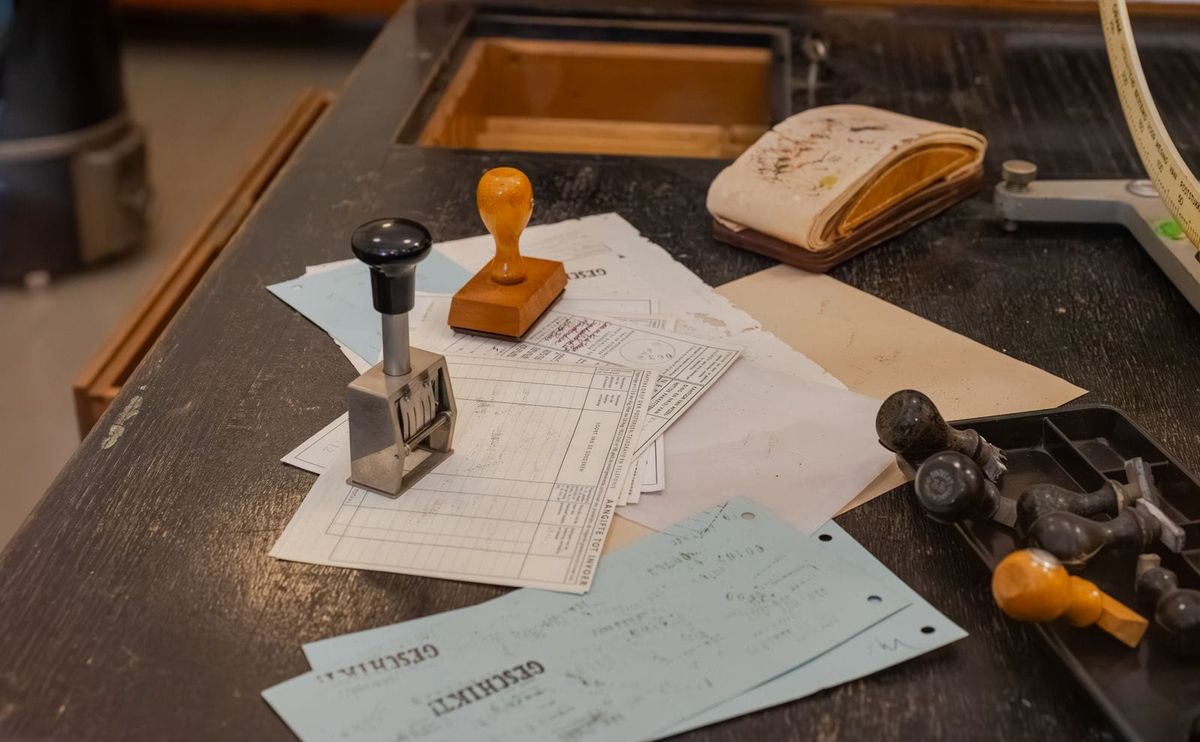
The carton was fine. I could see it in the photo. Sealed, weighed, sitting where it should sit. The week disappeared anyway, inside a PDF.
Wrong description. HS code that was close enough until it wasn't. A value that didn't match the commercial conversation. A packing list that was a packing list in spirit and not in the way a customs officer meant. The goods didn't fail. The paperwork did. From the customer's point of view that's a distinction without a difference. The thing still isn't there.
The paperwork is the product. The carton is what the paperwork is allowed to move.
Operators still pretend this is admin
There's a type of person, and I have been this person, who treats documents as the thing you do after the real work. Pack, then paper. Ship, then file. Cross-border laughs at that sequence. The document is the gate. If the gate is wrong, the warehouse can be beautiful and the flight can leave on time with someone else's cargo.
I work out of Singapore, into markets that do not share a personality. What clears easily here becomes a query there. What a supplier thinks is a product name is not a customs description. Brands are especially bad at this. They write for a website. Customs does not shop. Customs matches a code to a box and decides whether you're telling the truth.
When the query comes, people want a heroics story. Call someone. Pay something. "Can you just." Sometimes you can. Usually you sit, and the sitting was avoidable if the invoice had been treated like a product spec instead of a form someone filled in between meetings.
Close enough is a delay
Close enough on an HS code is how you buy a random number of extra days. Close enough on value is how you buy a conversation you will not enjoy. Close enough on quantity versus packing list is how you buy an inspection. None of this is unlucky. It is a process that ended at "looks fine."
Looks fine is not a check. A check is: does this description survive a sceptical stranger. Does the value match what was commercially true. Do the pieces add up across invoice, packing list, label. If you cannot say yes without squinting, do not fly it. Flying a shrug is expensive.
Asset-light companies get sloppy here because the document is often produced by a shipper who isn't you, then touched by a broker who isn't you, then read by an officer who isn't you. You are the only one the customer can shout at. So you either own the document quality as if you typed it, or you accept that your OTIF is a function of someone else's afternoon.
Make the document a process, not a file
I want a defined owner for the commercial invoice. Not "the customer sends it." That's a source, not an owner. Who checks it. Against what. Before which cutoff. What happens when it's wrong, because it will be wrong, and "we'll fix in transit" is how you meet the officer without a story.
I want the same for the boring companions. Packing list. Permits if they apply. The thing your category needs that a generalist SOP will forget. If you sell across six markets, the document pack is not one pack. It's six, with a shared skeleton. The skeleton is the questions. The meat is local.
This is slower at the front. It's faster than bond. I will keep choosing the front until someone shows me a customs team that enjoys improvisation. They do not. They enjoy files that match boxes. Be that file.
You cannot sprint a carton through a government. You can only stop lying to the form.
January is a good time to admit this
New year, people want new lanes, new SKUs, new origin points. Each one is a paperwork invention pretending to be a logistics invention. I'm less interested in whether we "can ship it" and more interested in whether we can describe it, consistently, in the language the destination will read without tilting its head.
If you're a brand, this is on you as much as on your 3PL. We can catch a stupid invoice. We cannot invent your product truth. If you don't know what you're selling in HS terms, you don't have a catalogue. You have a website and a future query.
If you're an operator, stop calling it admin. Admin is what you name a thing when you don't want it on the ops agenda. Put it on the ops agenda. The paperwork is the product. Everything else is waiting for permission to be real.