The last mile is where the brand dies
Origin can look perfect and the brand still dies at a doorway. Last mile is the product. Everything before it is a rehearsal they never see.
The warehouse did its job. I know because I watched the photos. Carton sealed, label straight, scan at the dock, truck gone. Everyone on the origin side exhaled like the work was over.
Two days later the customer forwarded a message from the person who was supposed to receive it. Nobody came. Or somebody came and the guard wouldn't let them in. Or they came, called a number that was off by one digit, and left. The brand only exists, for that person, in that hour. We spent a week looking professional in a facility they will never see.
That's last mile. It's where the story you sold meets a doorway, a dog, a rainstorm, a closed gate. It's also where you find out whether you built an operation or a nice origin process with hope attached to the end.
The last mile is where the brand dies. Not because riders are careless. Because you treated delivery like a consequence instead of the product.
Origin is a comfort blanket
Operators love origin. I love origin. You can stand in it. You can shout. You can fix a pack in front of your face. Last mile is a thousand small rooms you will never enter, in cities you fly over, run by people who don't work for you and don't particularly need you to have a good day.
Cross-border makes the illusion worse. You sweat the export, the airway bill, the customs entry. Those are real. They are also invisible to the person waiting at home. They waited through all of that already. Their patience was spent on the ocean or the aircraft. What they have left is a two-hour window and a phone that may or may not ring.
When I talk to brands about fulfilment in this region, they want to argue rates and warehouse locations. Fine. Argue those. Then tell me what happens when the address is a condo with no loading bay, or a shop that's closed on Monday, or a COD collection that needs cash the rider isn't carrying enough of. If you don't have an answer, you don't have a last mile. You have a carrier name on a slide.
Failed delivery is not a footnote
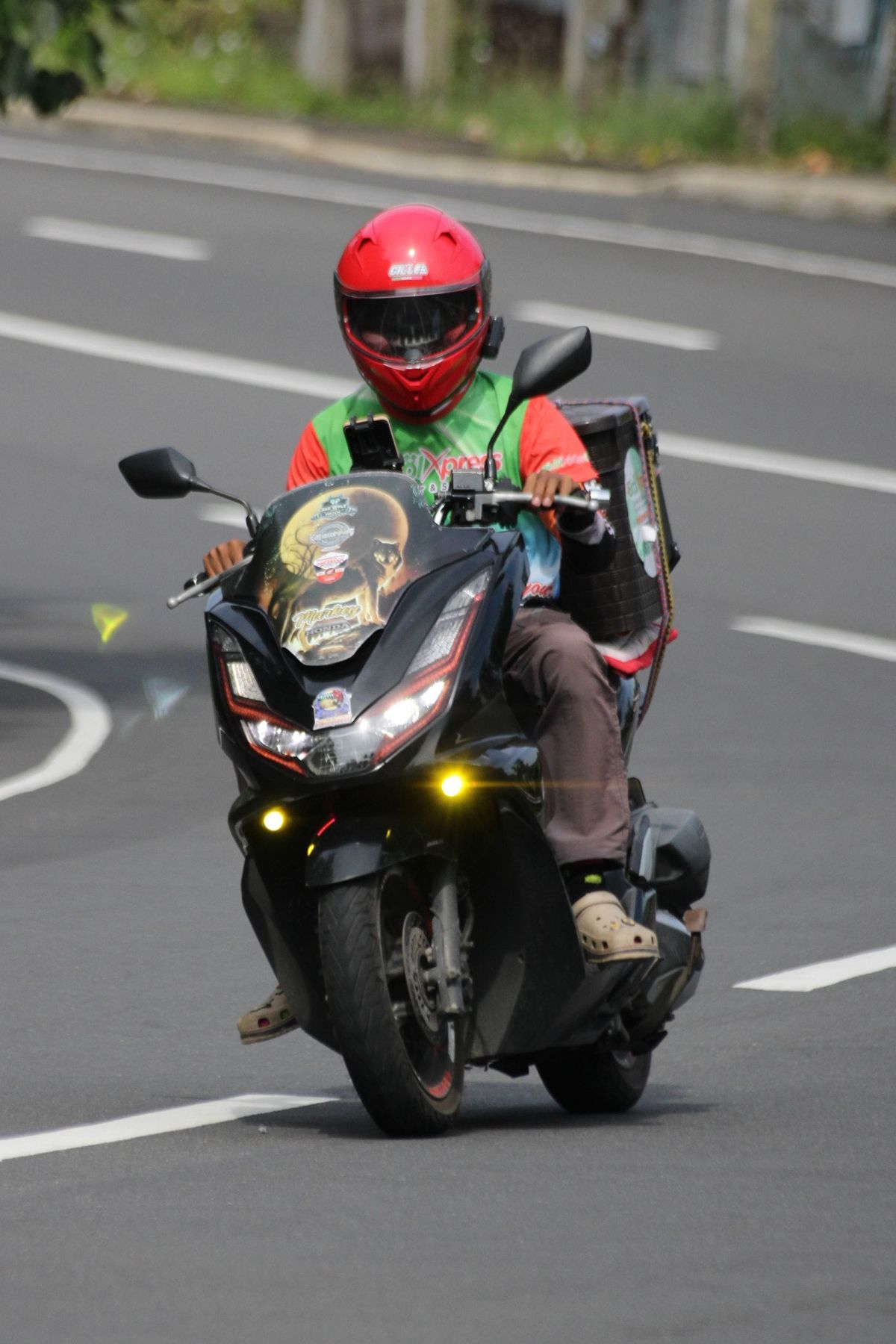
A failed attempt is not a retry that happens in the background. It's a second relationship. The receiver is now annoyed, the rider is now behind, the parcel is now sitting in a facility that wasn't in anyone's timeline. If your process for that is "the courier will try again," you're outsourcing the brand to a person on a bike who has a hundred other stops.
We run asset-light, across six APAC markets. That means last mile is almost never "ours" in the ownership sense. It is still ours in the consequence sense. The customer does not parse your subcontract. They parse the knock on the door. If the knock is late, rude, missing, or confused about COD, that is the company they ordered from, plus you, plus whoever actually turned up. You don't get to be the reasonable middle layer in that story. You're the one they have a contract with.
I've had weeks where origin was clean and destination was a mess, and the clean origin did not save the conversation. Of course it didn't. You don't get credit for the part they couldn't see.
What actually has to be written down
Before a lane is "live," I want the ugly version of delivery in writing. Not the happy path. The failed attempt. The wrong phone number. The building that requires a loading dock booking. What "delivered" means, because signed, left with guard, and left at door are three different products pretending to be one status.
I want to know who owns the exception at 4pm when the rider calls it quits. Is it a local supervisor who can reroute today, or an email that gets read tomorrow morning in another timezone? Tomorrow morning is how you turn a one-day delay into a refund.
Cash on delivery belongs in this conversation even if your brand wishes it didn't. Large parts of this region still want to pay at the door. If your last-mile partner treats COD like a side quest, you will learn about it from a customer who didn't receive the thing and also didn't pay, which is a special kind of lose.
None of this is glamorous. It's also not mysterious. It's the work you skip because the origin warehouse photographed well.
A perfect export with a dead last mile is a delayed complaint. That's all it is.
Stop buying coverage. Buy an ending.
Coverage is the word people use when they haven't looked at a doorway. Six countries, one partner, we deliver. Deliver to whom, how, on the second attempt, with what proof. If you cannot answer that per market, you bought a map.
I would rather launch one market with a last mile I can see than three markets with a last mile I have to take on faith. Faith is not a process. Faith is how cartons disappear into a status called "out for delivery" and never come back in language a human can use.
This is the part of Aersure I think about more than the flights. Flights are a commodity with a schedule. Last mile is a set of local habits. You don't import a Singapore habit into Jakarta and hope. You ask how delivery actually works there, you write it down, and you hold the partner to that, not to a regional average that hides the deaths.
If your brand is taking hits and your origin KPIs are green, look at the last mile. That's usually where it died. Quietly, at a gate, while everyone at origin was already on the next shipment.