Last mile is where the region falls apart
Last mile is where the region falls apart. Coverage is a shaded map. A delivery is a neighbourhood, a door, and a truth you can say.
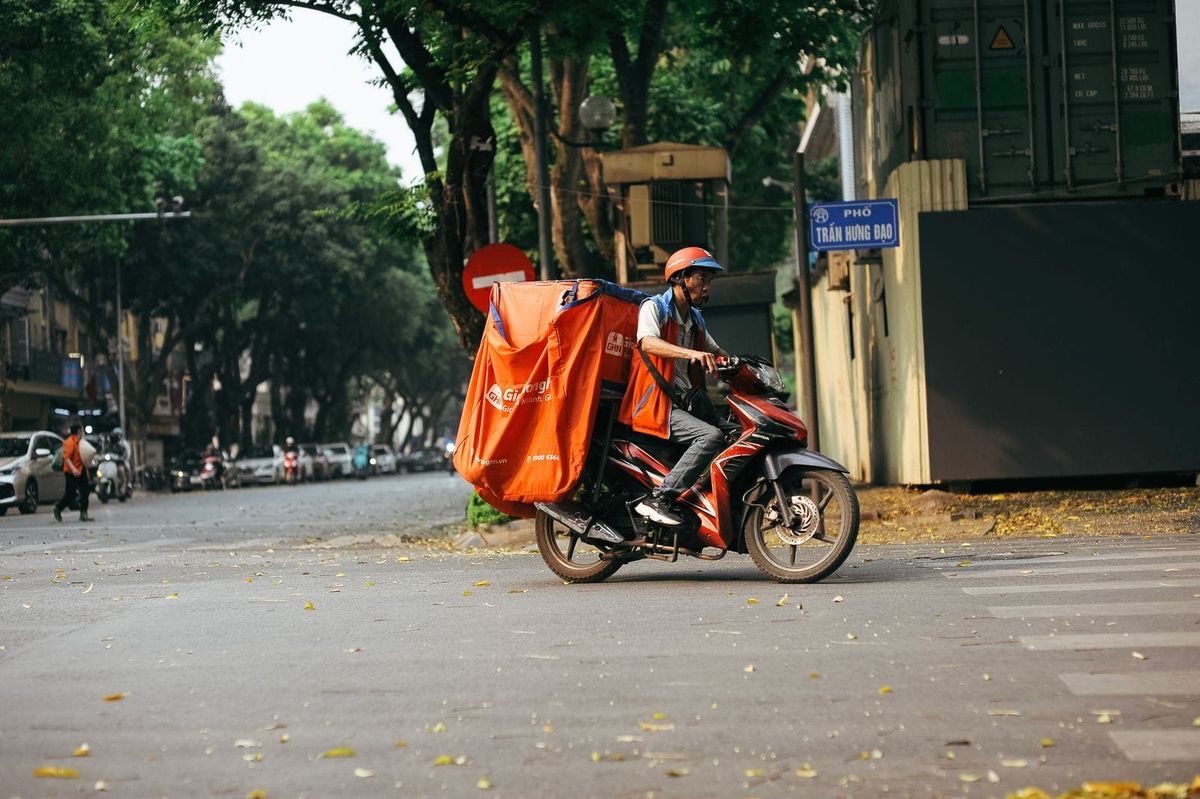
The air leg looks like a region. A flight, a hub, a pallet that could be going to anyone. Then the parcel hits the ground and the region ends. A bike, a van, a guard who will not sign, a phone number that doesn't pick up, a street that isn't in the file, rain, COD, a second attempt that nobody budgeted, a status that says delivered because the rider needed it to say delivered. That is not APAC. That is a neighbourhood.
I've watched brands spend months on origin, on the warehouse, on a WMS, on a regional 3PL deck, and then treat last mile as a rate. The rate is the least interesting thing about last mile. Last mile is where your process either exists or gets found out.
Last mile is where the region falls apart. Everything before it can look like one network. The door never does.
Coverage is not a delivery
A partner will show you a map with shaded postcodes. Shaded is not delivered. Shaded is "we have someone who might go there." Density, access, and the definition of a successful attempt live underneath the shade, and they are different in Jakarta, in a Thai soi, in a Manila condo, in a Malaysian taman, in a Singapore HDB, in a Vietnamese alley the van cannot enter.
If you brief "next-day last mile, SEA," you get a sentence. The sentence will be true for a slice of each city and a lie for the rest. The lie shows up as failed attempts, as "customer not in," as a green on-time number that your support queue does not believe.
I've sat inside the 3PL that owned some of those maps. The map is a commercial artefact. The rider is the operation. If your process does not include the rider's actual day, you do not have a last-mile process. You have a hope with a GPS story.
The door has rules
COD. It is not a payment method. It is a last-mile product. Cash, refusal, fake addresses, a rider who is now a cashier, a recon that will haunt finance. If you sell COD like a checkout tickbox and ops treats it like a surprise, you will lose money and trust in the same week.
Access. Guards, lifts, hours, ID, the parcel that is too nice to leave and too heavy to take back up six floors. "Delivered to customer" is a philosophy. You need a definition per market, written, that a contractor can run without calling you.
Failure. Not home, wrong number, refused, weather, area closed. How many attempts. Where it waits. Who pays the loop. Who tells the customer, with a status that is allowed to be ugly. At 500 parcels a day a nice person with a phone can save you. At 5,000 the nice person is the bottleneck, and last mile will dump the 8 percent on them until they quit.
Returns at the door are a different job again. If your reverse path is "ask the rider to be kind," you will get kindness until it rains.
Why the front of the network hides this
Origin is visible. You can tour it. You can put a WMS in it. You can argue about pack benches. Last mile is a thousand small contractors and a phone. It is easier to buy a regional average and not look. The average will be fine. Individual doors will not. Customers live at individual doors.
Software likes origin too. Scans are cleaner in a warehouse. The last scan that matters is the one at the building, and that is the one a tired rider will skip if the incentive is to move, not to tell the truth. Then you have a visibility product that is honest until the only mile the customer cares about.
A perfect warehouse with a lying last mile is still a lying product. The customer does not tour your warehouse.
What to do before you buy the shaded map
Pick the first market. Walk a failed delivery, not a successful one. Write the attempt rules, the wait location, the COD recon, the access reality, the sentence the customer gets. Then ask a partner to run that, not to shade a map.
Keep last mile data at market level, and at exception level. Failed reason. Time of day. Area. Whether the phone worked. If you only get on-time, you are buying a story. On-time can be true while a neighbourhood is on fire.
Design pack for the last mile you actually have. Cube that made sense on an air pallet can be comedy on a bike. Comedy is damage, and damage is a review, and a review is the product.
And do not average six last miles into one SLA. That is how a region looks intact on a slide while falling apart at the door. I've sat in that slide. It is always more comfortable than the street.
The goal was never coverage
The goal was a door, in a named market, where a real attempt happened, and a customer who was told the truth if it didn't.
Build back from the door. Then the warehouse, then the system, then the regional contract. Most plans run the other way, because the other way is easier to buy. Easier to buy is how you get a beautiful network that ends in a neighbourhood you never briefed. The neighbourhood was the job. It always was.