Cross-border is mostly waiting, then suddenly it isn't
Most of a cross-border shipment is sitting, then a burst. If you only know how to talk about movement, you will look late inside a wait that was always the lane.
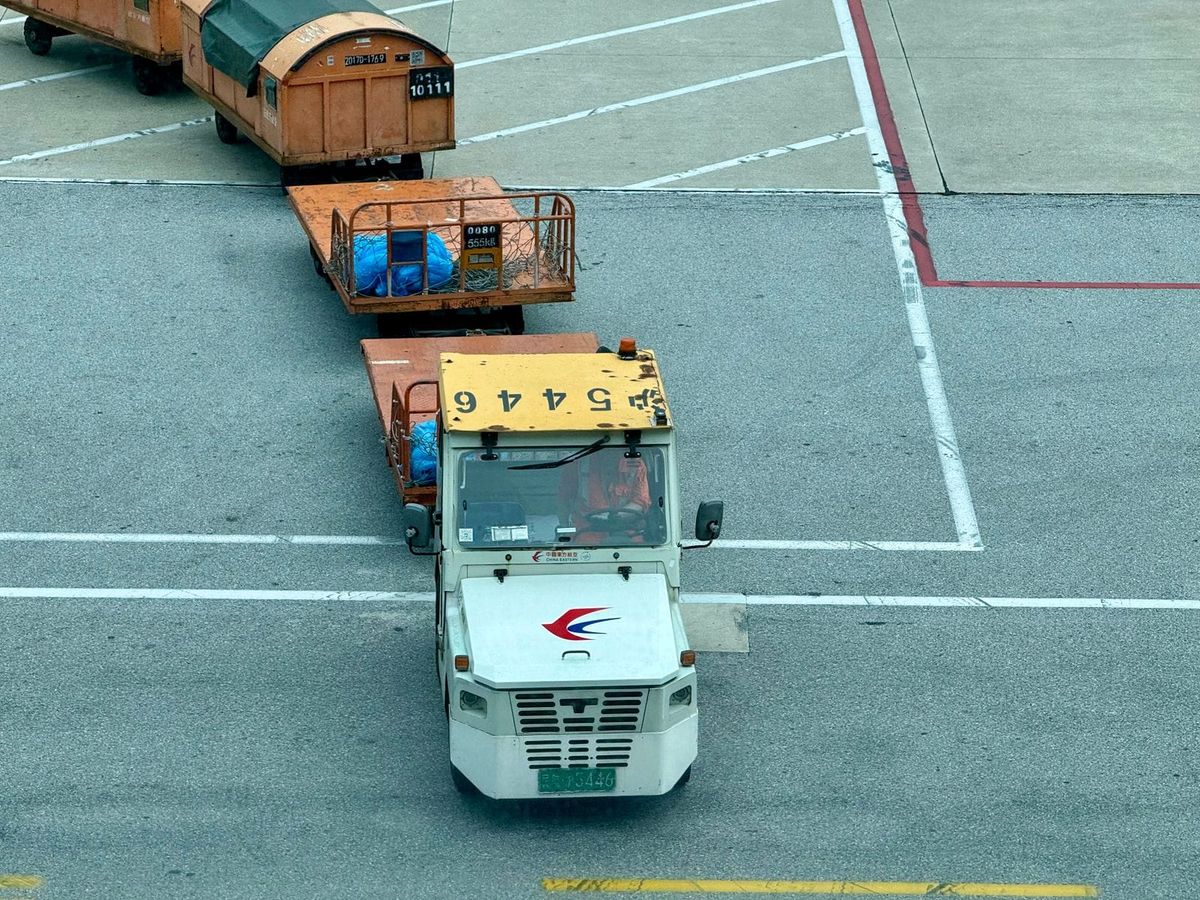
Most of a cross-border shipment is not movement. It's sitting. Sitting in a staging cage. Sitting in bond. Sitting on a tarmac because the flight closed and yours didn't make the cutoff by twenty minutes. Sitting in a queue behind a document that is almost right.
Then it isn't sitting. Everything happens in a burst. The entry clears, the linehaul leaves, the destination scan finally lands, and your phone lights up like the carton teleported. It didn't teleport. It waited, then it ran. If your process only knows how to talk about the running part, you will spend your life looking late and confused.
Cross-border is mostly waiting, then suddenly it isn't. The operation is how you handle the wait, not how you celebrate the burst.
Waiting is not dead time
People treat a stationary shipment as a failure. Sometimes it is. Often it's the lane working as designed. Customs is a queue with a government attached. Aircraft leave without you. Partners batch. None of that is romance. All of it is predictable if you bother to learn the rhythm of the lane instead of the promise on the sales sheet.
The sales sheet says days. Days are an average of waits and bursts. The customer doesn't live in the average. They live in today's silence. If you can't explain which wait this is, they will assume the bad kind. The bad kind is lost, seized, forgotten. The normal kind is Tuesday in a bonded warehouse. Those two look identical on a tracking page that only updates when something moves.
This is why visibility during the wait matters more than visibility during the move. Anyone can show you a scan when a truck departs. Show me you know where it is while nothing is happening. That's the actual product in cross-border.
The burst will punish you if you're not ready
When the wait ends, it ends for a pile of cartons at once. Not just yours. The same officer, the same handler, the same last-mile depot that was quiet for two days is now drowning. If your process assumes a polite one-by-one flow, you will miss the window. Labels that were "fine" become unreadable in a rush. Addresses that nobody checked become today's failed deliveries. COD that wasn't briefed becomes a rider turning around.
I've watched origin teams cheer a clearance and then lose the afternoon because destination wasn't staffed for the lump. The wait trained everyone to go slack. The burst requires the opposite. You don't get to be surprised by a pattern that happens every week.
Asset-light doesn't excuse this. If anything it makes it sharper. We don't own the warehouse that just received the lump. We own the responsibility of having briefed it. If we didn't say "this is coming, this is the profile, this is COD versus prepaid," we handed a partner a surprise and called it a network.
Write the wait into the SOP
A useful SOP for a lane is not a happy path with times that assume no queues. It's a description of the waits you expect, the waits you don't, and who does what in each. How long can it sit in bond before we escalate. Who is allowed to say "this is normal." Who is not. What we tell the customer on day two of a wait we already knew about.
If you don't write that, your team will escalate every silence, or they will escalate none of them. Both are expensive. One burns partner goodwill. The other burns customers. The skill is knowing which wait you're in. That skill is not talent. It's notes from the last twenty times this lane did the same thing.
Six APAC markets means six different wait personalities. Singapore is not where things sit for the reason Jakarta sits. Vietnam will surprise you in a different hour of the day than Thailand. If you run one clock for all of them, you will look frantic in the calm markets and asleep in the chaotic ones.
A lane is a sequence of waits you have named. If you haven't named them, you don't have a lane. You have a hope with a tracking number.
What I tell customers now
I tell them where it is allowed to sit, and I tell them what would make me worry. Not a novel. A few sentences. Then I come back when I said I would, even if it hasn't moved. Especially if it hasn't moved. That's how you keep the wait from turning into a story.
I also stop promising burst speed as if it were a personality trait of the company. We can be sharp when it moves. We cannot make a government queue enjoy us. The promise is: we know which queue you're in, and we will not go quiet inside it.
If you're building cross-border from Singapore, or anywhere, watch your own instincts. The instinct is to narrate movement. Movement is the small part. Build the process for the sitting. Staff the burst. Tell the truth in between. That's the whole job, most days. The rest is a truck, eventually.